
Brown County Probate Court Role
Brown County probate matters are handled in Brown Circuit Court. The research did not identify a separate Brown County probate courthouse, separate probate judge page, or second probate clerk. That point matters because a person searching for an estate file, guardianship order, or will filing should not look for a county probate court database outside the Indiana court system. The Probate Division of the Circuit Court is a subject area within the same local trial court that also handles civil, criminal, family, small claims, and traffic or infraction records assigned to the county court.
Probate records in Brown County may involve estates, wills, trusts, guardianships, minor settlements, protected-person proceedings, and financial guardianship matters. A public docket can show the case number, case type, filing date, attorneys, interested persons, hearing entries, orders, notices, claims, inventory entries, accounting entries, and closing activity when those items are public. Some details, especially information tied to minors, medical issues, protected persons, and confidential addresses, may be limited even when the docket itself confirms that a probate case exists.
The Brown County Clerk is the counter and copy fallback for probate files. MyCase may give enough information for a basic Brown County probate lookup, but certified copies, document images that are not open online, and questions about older records usually require clerk contact.
Brown County Probate Contacts
The official county and Indiana Judicial Branch sources use the courthouse in Nashville for both the Brown Circuit Court and Brown County Clerk. Probate filings and estate records route through those court and clerk functions. The sheriff's office and jail do not hold probate case files, and statewide driver, jail, or offender portals are separate from probate records.
Probate Division of the Circuit Court
Brown Circuit Court
20 East Main Street
Nashville, IN 47448
812-988-7557
Use the court for hearing schedule questions and probate case routing.
Brown County Clerk
Clerk of the Circuit Court
20 East Main Street
Nashville, IN 47448
812-988-5510
Use the clerk for probate copies, filings, and certified record questions.
Search Brown County Probate Records
The online starting point for Brown County probate records is Indiana MyCase. It is a statewide Indiana Judicial Branch portal, not a Brown County-only database. Use Brown County or Brown Circuit Court filters when available, because a statewide name search can return unrelated Indiana cases. Probate searches may work by case number, estate name, decedent name, petitioner name, guardian name, protected person name, or case type, depending on what the portal displays for the record.
- Open MyCase and choose a case, name, or case-type search mode that fits the information known.
- Filter to Brown County or Brown Circuit Court if the portal offers a county or court field.
- Search the estate name, decedent, petitioner, guardian, protected person, personal representative, or full case number.
- Open the matching docket and review public entries for filings, orders, hearing dates, notices, accountings, and closing events.
- Contact the Brown County Clerk if a certified copy, older file, document image, or restricted-record decision is needed.
| Field Label | Type | Use |
|---|---|---|
| Case Number | Text | Best option when the Brown Circuit Court case number is known. |
| Party / Estate Name | Text | Search a decedent, estate, petitioner, guardian, protected person, or representative. |
| Court / County | Filter | Select Brown County or Brown Circuit Court to narrow statewide results. |
| Case Type | Filter | Use probate, estate, guardianship, trust, or related Indiana categories where shown. |
| Filing Date Range | Date | Helpful for older estates or broad family-name searches. |
For statewide court access context, the Indiana Public Access site points users toward public case search resources, while the clerk remains the local source for certified probate copies.
Brown County Probate Terms
Probate records use terms that are easy to confuse because the same person can have more than one role. A petitioner may ask to open an estate, a personal representative may later administer it, and an heir or creditor may appear in later docket entries. These terms help when reading Brown County probate dockets and clerk copies.
- Testator
- A person who made a will before death.
- Executor
- A person named in a will to carry out estate administration, often called a personal representative in court entries.
- Intestate
- A death without a will, which means estate administration follows legal inheritance rules rather than will terms.
- Guardianship
- A case asking the court to appoint a guardian for a minor or protected person.
- Conservatorship
- A financial-protection role similar to guardianship language in many states; Brown County research describes protected-person and financial guardianship matters rather than a separate local conservatorship court.
What Brown County Probate Shows
A public Brown County probate record can be brief or detailed. MyCase may show the case shell and docket events, while the clerk file may hold petitions, orders, inventories, notices, accountings, and closing records. Public access depends on Indiana court access rules and any case-specific order. A docket entry is not the same as a certified copy of an order.
| Record Field | What It Shows |
|---|---|
| Case number | The Indiana court case number assigned to the Brown Circuit Court probate matter. |
| Case type | Estate, supervised estate, unsupervised estate, guardianship, trust, or related probate category. |
| Parties | Decedent, protected person, petitioner, guardian, personal representative, heirs, creditors, or interested persons where public. |
| Filings | Petitions, notices, claims, reports, inventories, accountings, objections, and motions. |
| Orders | Appointment orders, will-admission orders, hearing orders, claim rulings, discharge entries, and closing orders. |
| Hearings | Dates, hearing types, and court entries tied to estate or guardianship review. |
The Indiana juvenile record access chapter is especially relevant when a guardianship or minor-related probate matter contains juvenile information. Public users should expect redactions or limited access where statute, rule, or court order requires confidentiality.
Brown County Estate Timeline
A probate case starts when a petitioner files the appropriate estate or guardianship papers with the Brown County Clerk. Brown Circuit Court then opens the matter under a court case number. The judge reviews appointment requests, will admission, notice, bond, and interested-person issues. From there, the personal representative or guardian files required notices, inventories, reports, accountings, or other papers until the court enters a closing, discharge, transfer, or later review order.
Probate flow: Petition filed › case opened › appointment or will review › notices and inventory › claims or objections › accounting or reports › court orders › closing or continued supervision.
Small-estate thresholds and Brown County-specific probate filing fees were not located in the official sources inspected for the research file. The accurate step is to confirm filing fees, certification fees, payment method, and required identifying information with the clerk before mailing a request or arriving at the courthouse.
Brown County Probate Fees
The research located Brown County marriage-license fees, but it did not locate a Brown County probate filing fee schedule, plain-copy fee, certified-copy fee, or small-estate amount in the official pages inspected. Those gaps should not be filled with estimates from other counties. Use the clerk's current instructions for the amount due and payment method.
| Item | Amount / Status |
|---|---|
| Probate filing fee | Not located in official Brown County sources inspected. |
| Guardianship filing fee | Not located in official Brown County sources inspected. |
| Plain court copies | Confirm with the Brown County Clerk. |
| Certified court copies | Confirm with the Brown County Clerk. |
| Mail copy requests | Call first for fee, payment, and identifying-information instructions. |
The county payment-methods research shows that some court costs, fines, traffic tickets, probation fees, and child support obligations can be paid online or by phone, but that finding does not verify probate filing or copy fees.
Indiana Probate Access Rules
The manifest image for this probate page comes from the Indiana juvenile record access provisions, which matter when Brown County guardianship or protected-person filings include minor information.
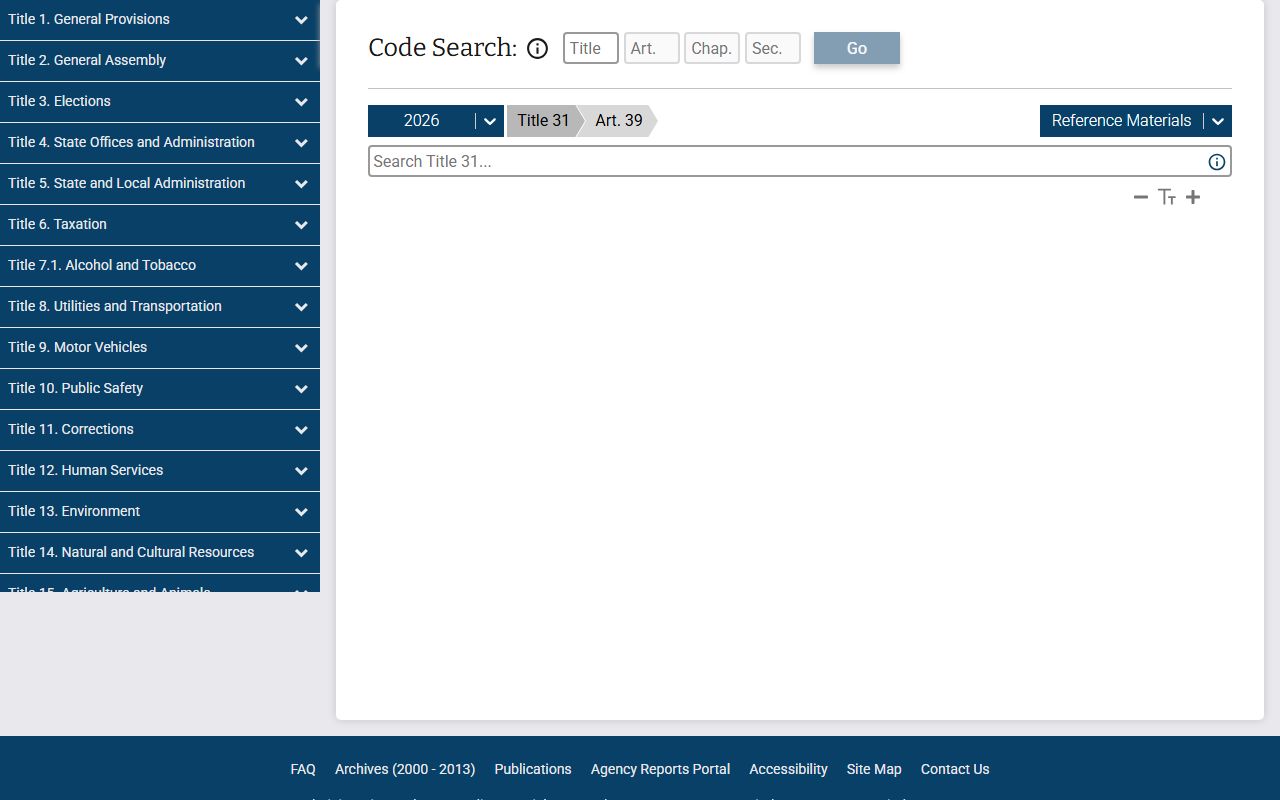
That source fits Brown County probate work because public estate entries and confidential guardianship details can sit in the same court system. The docket may be visible while parts of the file remain withheld or redacted.
Restricted Brown County Probate
Indiana court access rules make court case records public unless a rule, statute, sealing order, or confidentiality law limits access. In probate, the restricted material is often not the fact that a case exists. It is the detail inside the document. Minor identities, medical facts, protected-person reports, confidential addresses, financial account numbers, and some guardianship information may be removed from public view.
Adoption records are not ordinary probate records. Indiana's adoption confidentiality law, Ind. Code ch. 31-19-19, controls access through statutory release procedures rather than a routine public case search. Expungement under Ind. Code ch. 35-38-9 is mainly a criminal-record topic, but the same broad point applies across court records: a public web search may not show every record a court or clerk can see.
Note: If a probate matter involves a minor, protected person, adoption issue, or sealed filing, ask the clerk what public access is allowed before relying on MyCase alone.